Righteous Hoodie Colorways: Which One Suits Your Style?
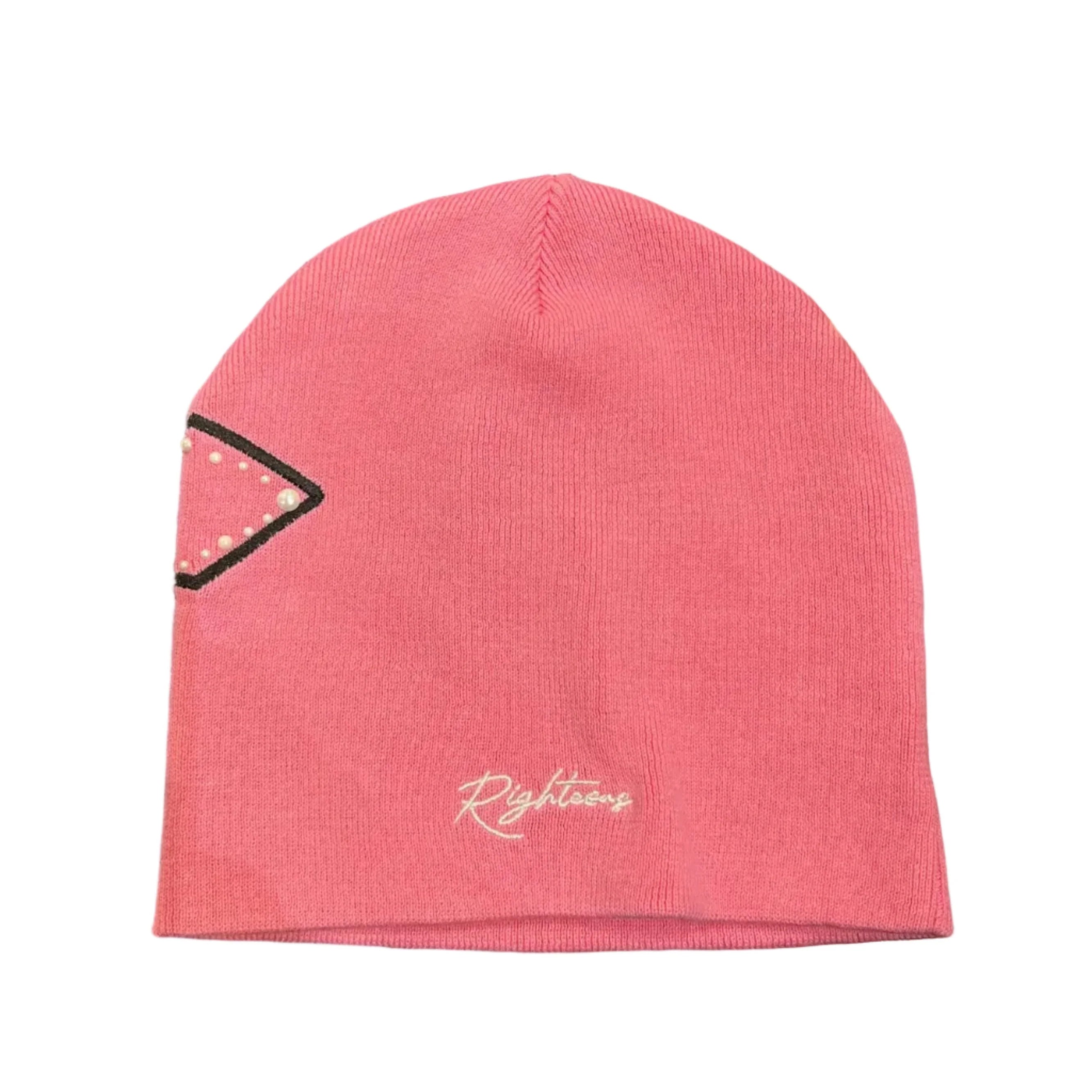
Until it’s actually hanging in your closet, picking a hoodie shade seems like a minor call — but then it either becomes a regular pick or never leaves the hanger. The brand shaped its hoodie lineup around precisely this issue, presenting a array of shades that span everyday neutrals, bolder standout colors, and a few in-between options that suit multiple seasons. This guide lays out how to approach colorway selection, what each color group signals, and how the choice influences how it’s styled, cared for, and worn over time. Whether you’ve just discovered the righteous clothing brand or already have one piece and are weighing your next pick, the point of this is to make the choice quicker and more certain.
Choosing a shade in streetwear and everyday apparel isn’t just aesthetic noise. It determines how often a piece actually leaves the closet, how it looks in photos, how it layers with the other pieces someone owns, and how tolerant it is of wear and washing over time. Pick the wrong shade for a daily rotation and it turns into a once-a-month item — pick the right one and it becomes a weekly go-to. That distinction counts for more than most buyers realize when they’re browsing listings and picking based on a single photo.
Why Colorway Choice Matters More Than People Think
Most people default to black or grey because they presume neutral tones are the low-risk pick, and often they’re right. But safe doesn’t always mean best-suited to an individual’s existing wardrobe or skin tone. A cool-leaning grey reads differently under office fluorescents than it does in daylight, and a warm-toned neutral can fight against certain denim washes or jacket colors already part of the wardrobe. The Righteous design process takes this into account by maintaining consistent dye lots, which matters because dye-lot variation www.righteout.com is among the top gripes with budget streetwear — colors shift between orders and customers wind up with two “black” hoodies that aren’t truly the same shade.
There’s also a practical laundering angle. Darker colorways conceal small stains and pilling for longer, which extends the fresh look of a piece from wash to wash. Lighter and pastel-adjacent shades reveal wear sooner but photograph better for content-heavy shoppers who post outfits regularly. Anyone checking a Righteous review beforehand will usually see this trade-off mentioned — buyers care about how a hoodie looks in month six, not just on day one. The weight of the fabric also interacts with color: thicker cotton blends tend to hold saturated colors better through repeated laundering than lighter fabrics, which lose color sooner regardless of the dye quality.
A Closer Look at the Righteous Hoodie Shade Groups
The righteous hoodie lineup usually breaks down into three practical groupings for those working to assemble a coherent wardrobe: core neutrals, richer statement colors, and crossover colorways. Base neutrals cover black, charcoal, and off-white — these are the colorways that blend seamlessly with almost any existing wardrobe without requiring a reconsideration of the rest of the outfit. Richer standout colors feature choices such as deep burgundy, forest, or navy, which bring extra character without straying into anything that limits pairing options. In-between tones sit in between, typically muted or dusty variations that work across three seasons but read slightly differently depending on lighting and the pieces they’re worn alongside.
Knowing which group a given shade falls under helps customers prevent excess buying in one narrow category. An easy trap is buying three hoodies that are nominally distinct in color but indistinguishable in practice in how they style — three dark neutrals, for example, when one dark neutral and two more distinct tones would produce a wider range of looks. This is a detail that isn’t visible in one standalone product image but becomes obvious once a buyer owns several items from the same line.
How to Match Shades to Skin Tone and What’s Already in the Closet
One’s undertone influences how a shade appears far more than most buyers account for. Warm-leaning complexions tend to suit olive, rust, and warm-toned neutrals, while cooler undertones usually suit best true black, navy, and icy greys. This isn’t set in stone, but it explains why the same hoodie can come across well on one person and somewhat dulled on another despite identical fit and fabric. Someone who isn’t sure of their undertone can try an easy trick: gold jewelry that looks better than silver on the skin generally points to warm undertones, and the opposite usually signals cool undertones.
Existing wardrobe matters no less. Someone whose closet leans toward warm earth tones — olive jackets, brown boots, tan pants — will get more mileage from a righteous hoodie in a complementary color than from an unrelentingly black option that requires building a whole new outfit around it. The most effective strategy is to select a tone that bridges two or more current outfit groups instead of one that pairs solely with just one pair of pants already in the closet.
Comparing the Main Righteous Hoodie Colorways
The chart that follows compares the core colorway options based on versatility, seasonal wear, and upkeep — three factors that prove more important in everyday wear than first-glance looks.
| Shade Choice | Best For | Seasonal Fit | Maintenance Level |
|---|---|---|---|
| Black | Daily rotation, stacking under other pieces, easy-care cycling | Any time of year | Low — hides pilling and light stains nicely |
| Charcoal Grey | Smart-casual work settings, neutral-toned closets, cool-toned pairings | Fall through spring | Medium — shows fuzz to a greater degree than black |
| Off-White | Content creators, hot-season outfits, attention-grabbing pieces | Spring and summer | Significant — calls for more frequent laundering |
| Deep Burgundy | Warm undertones, autumn wardrobes, and bold garments | From fall to winter | Medium — deep shade masks most signs of use |
| Forest-Green Shade | Earth-tone closets and nature-leaning looks | Autumn into early spring | Fair — color fade apparent after several washes |
Rather than ranking shades as superior or inferior, this breakdown focuses on — it’s about matching maintenance tolerance and seasonal wearing patterns to the right pick. If someone puts on a hoodie every day and skips frequent washing, black or burgundy makes more sense. Off-white earns its keep for anyone creating a summer capsule wardrobe, despite the fact that it calls for more upkeep.
The Impact of Colorway on Lifespan and Cost-Per-Wear
Applying a cost-per-wear lens is worthwhile for hoodie purchases, since these layering pieces get worn much more than most wardrobe items. A hoodie worn twice weekly over a year hits 100 wears, while one picked up twice monthly nets around 24. Colorway is one of the biggest drivers of that frequency gap, because a shade that clashes with half a wardrobe simply won’t get reached for as often, regardless of how good the fabric or fit is.
Among We Are Righteous colorways, deeper shades tend to post stronger cost-per-wear numbers, precisely since they show wear more slowly and match more existing pieces. This isn’t a criticism of lighter tones — it’s simply a factor worth weighing in the decision, especially for buyers buying for the first time from the brand and trying to decide where to start. A first-time buyer optimizing for maximum use should generally start with a neutral and expand into statement tones once the neutral has proven itself in rotation.
What Reviews Say About Colorway Performance Over Time
Buyer feedback consistently circles back to a few recurring themes across colorways. Colorfastness after repeated washes is the most commonly cited point in a we are righteous review, with darker tones generally scoring better for retaining depth of color after 15-20 washes versus lighter tones, which exhibit more visible fading over that same span. Consistency in fit across colorways is another point reviewers bring up — buyers report that sizing stays consistent regardless of shade, which suggests that dye processes don’t seem to affect fabric shrinkage or stretch in noticeable ways.
Months after the purchase, not merely at checkout, colorway choice influences outfit flexibility, according to several buyers. A muted-colorway piece, it’s often said, became a rotation staple, whereas by contrast bolder shade choices were worn only for specific looks. Echoing the cost-per-wear logic above, this reinforces that colorway choices should get longer-term wearability consideration, not just checkout-photo appeal.
Final Thoughts on Choosing Your Colorway
No single colorway is right for everyone, there’s only the one that fits a person’s complexion, current closet, climate, and laundering routine. Someone building a first capsule around We Are Righteous pieces should lead with a foundational neutral shade before exploring deeper or more seasonal tones, simply because neutrals integrate faster and prove out fit and fabric quality before committing further. Those who already have a warm-toned closet should go directly for burgundy or forest green rather than defaulting to black just because it’s the obvious choice.
Shade choice, as the broader takeaway suggests, isn’t a cosmetic afterthought in the righteous apparel lineup; rather, it’s a practical call with genuine effects for wear frequency and how well it ages in appearance. What separates a hoodie that becomes a daily go-to from one that sits folded on a shelf is matching color to lifestyle, not just to one styled snapshot.